How Artificial Roofing Installers Prepare Residences for Year-Round Direct Exposure
A roofing does even more than cap a house. It takes care of water, withstands wind uplift, buffers temperature level swings, and secures every layer beneath it from sluggish, expensive damage. That task obtains harder in climates where a home sees blazing summertime sunlight, freeze-thaw cycles, sleet, hefty rain, and wind in the very same fiscal year. In those problems, synthetic roof covering installers do not just secure roof shingles and leave. They https://stephenocpr050.stonefielddigest.com/posts/why-artificial-roof-naperville-il-is-growing-in-appeal prepare the whole home, from deck to flashing to air flow path, so the roofing system can take care of year-round exposure without ending up being the powerlessness of the structure envelope.
That preparation issues much more with artificial roofing systems due to the fact that the item is frequently selected for performance as high as look. Several house owners are drawn to building artificial roof because it can simulate cedar shake, slate, or ceramic tile while avoiding some of the maintenance and weight concerns of natural products. Others want costs synthetic roofing for a custom construct or synthetic roofing for deluxe homes where visual allure is non-negotiable. In either situation, the completed look just performs as promised if the installment job below is thoughtful and exact.
I have seen excellent products fall short early due to the fact that the crew treated the job like a typical tear-off and reroof. I have actually also seen property artificial roof covering outperform expectations for years due to the fact that the installer took note of the information nobody notices from the street. The difference normally shows up long prior to the initial roof shingles goes on.
Preparation starts with your house, not the product
A seasoned artificial roofing contractor begins by looking at the home as a system. The roofing system covering is just one layer. Below it are the deck, underlayment, flashing transitions, consumption and exhaust air flow, insulation conditions in the attic room, and the drainage path that carries water far from the structure. If any one of those pieces are weak, a new roofing system can acquire old problems.
That initially evaluation is normally more enlightening than home owners anticipate. A home may have minor deck rot around a smokeshaft chase, old action blinking hidden under exterior siding, soft places near a valley, or signs of condensation in the attic that have absolutely nothing to do with the shingles currently on the roofing system. A good artificial roofing company does not paper over those concerns. It records them, clarifies what requires adjustment, and builds the synthetic roof covering installment around the facts of the house.
This is especially crucial with synthetic roof designed to replicate slate or shake accounts. Those products typically have certain fastening, spacing, and slope needs. They can be forgiving in some ways, but they are not magic. If the substrate is uneven, if air flow is inadequate, or if wetness is currently trapped in the setting up, costs products can not address those troubles on their own.
Why year-round exposure alters the setup approach
A roofing in a mild environment can escape even more faster ways than a roof covering in the top Midwest. In places with broad seasonal swings, such as artificial roof Chicago projects or homes needing a synthetic professional roofer Chicagoland, setup options need to account for motion, ice, moisture, and sunlight direct exposure all at once.
Winter reveals weaknesses around eaves, valleys, and penetrations. Water backs up behind ice, finds a staple hole or flashing void, and works its way inside your home. Spring discloses whether drainage was planned effectively. Summertime worries the roof with UV exposure and thermal development. Fall tests whether fallen leaves, particles, and wind-driven rain will certainly bewilder the vulnerable junctions on the roof covering plane.
Synthetic roof shingles are typically picked due to the fact that they withstand breaking, splitting, or the type of weathering related to some traditional products. That is a genuine advantage, yet it does not alter the installer's duty to prepare for seasonal tension. The strongest roofing covering on the planet will certainly still leakage if a sidewall flashing was tucked terribly or if an exhaust air vent was set up out of plane.
The tear-off informs the actual story
On replacement tasks, specifically synthetic roof replacement, the most valuable details frequently shows up only after the old roofing comes off. Spots concealed below underlayment, nail exhaustion in the deck, stopped working flashing details, and years of jumble fixings end up being visible all at once. Experienced artificial roof covering installers understand that this is the moment to decrease and examine, not hurry to dry-in and keep the timetable moving.
I keep in mind a substitute task on a big home where the proprietor was concentrated virtually entirely on appearances. They wanted an artificial product that looked like hand-split cedar, with darkness lines deep sufficient to suit the style. Once the tear-off started, the staff found repeated moisture invasion around two dormers and a smokeshaft cricket that had been framed too superficial to drop water properly. From the ground, none of that was obvious. Had the group simply set up new premium synthetic roofing over the existing geometry, the beautiful new roof covering would certainly have acquired the same leakage pattern by the following storm season.
That is one reason trusted contractors develop backup language right into propositions. Not due to the fact that they want to upsell every project, yet due to the fact that concealed problems prevail and the best repair in some cases only becomes clear once the old setting up is open.
Deck honesty is non-negotiable
Synthetic roof covering items rely on a steady nailing surface area. If the roofing deck flexes, swells, delaminates, or consists of sections deteriorated by rot, fastening patterns can fail and the roofing can shed the crisp alignment that makes these products eye-catching in the initial place.
Preparation at this phase generally includes changing jeopardized sheathing, refastening loose sections, and correcting uneven transitions where old repairs left ridges or dips. On older homes, installers might discover blended materials on the exact same slope, such as original board decking alongside newer sheet goods. That is not instantly a trouble, however it often needs judgment. Bolt holding power, underlayment behavior, and finished look can all transform when the substrate varies across a plane.
For building synthetic roofing that imitates slate, small deck abnormalities can telegraph through the finished work in ways that are more difficult to neglect than on easier asphalt roofings. The installer needs to think past watertightness and account for sightlines, direct exposure consistency, and the visual rhythm of the roof.
Underlayment does more work than most house owners realize
Underlayment is commonly talked about like a box to examine, yet on a well-prepared roofing it works as a vital additional protection. When a home faces year-round direct exposure, underlayment technique ought to reflect climate, roofing system geometry, and the manufacturer's specifications for the selected artificial roof covering systems.
At the eaves, at risk valleys, and low-slope transitions, self-adhered ice and water defense is generally utilized to guard against back-up and wind-driven wetness. Throughout the area of the roof covering, synthetic underlayment may be selected for tear resistance, walkability, and much better weather direct exposure throughout installation. The exact mix relies on incline, complexity, and local conditions.
A home owner comparing proposals may not discover the difference between a specialist that intends the underlayment in layers and zones versus one that treats the whole roof with a one-size-fits-all method. Yet that distinction typically turns up years later on, when a blinking edge gets stressed in winter months or a rainfall event pushes water where it generally would not go.
Flashing is where craftsmanship reveals up
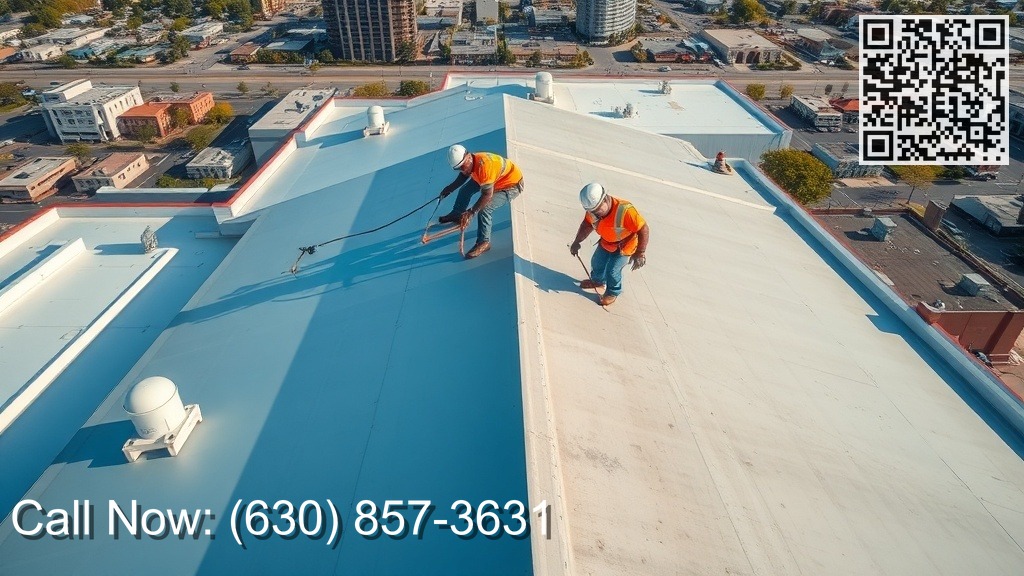
If there is one area that separates a mindful synthetic roofing contractor from a rushed one, it is blinking. Chimneys, skylights, plumbing vents, sidewalls, dead valleys, roof-to-wall crossways, and dormer transitions are the areas where water testing becomes real. A roofing covering can be exceptional, yet if flashing information are weak, the setup is susceptible from day one.
Good flashing work is seldom significant. It is measured, layered, and often concealed. Action blinking ought to incorporate effectively with the wall assembly. Counterflashing must lose water rather than catch it. Valleys should be detailed according to both product needs and runoff quantity. Pipe boots should match the account and expected activity of the roofing system surface area. Steel edges need to be set up with the drainage course in mind, not just appearance.
In markets with winter season weather, such as artificial roof Naperville IL and more comprehensive Chicagoland neighborhoods, flashing details deserve additional treatment since freeze-thaw cycles exploit small mistakes. A pinched underlayment seam or terribly washed steel side might make it through a couple of dry months, after that fall short during a freezing rainfall when water remains where it needs to not.
Ventilation becomes part of roofing prep work, not a different upgrade
Homeowners commonly consider attic room air flow as an energy subject, but also for a roof installer it is also a durability subject. An unbalanced or obstructed ventilation system can contribute to warm build-up, trapped wetness, ice dam problems, and early aging of roof components.
When artificial roofing installers prepare a home for full seasonal exposure, they look at consumption and exhaust together. Soffit vents blocked by insulation, ridge vents set up over poor intake, or old box vents left in place without a systematic air movement plan can threaten a brand-new roofing system assembly. The goal is not to chase a common formula. It is to develop a practical air course that matches the house.
That is especially crucial on larger custom-made homes where rooflines are cut up by dormers, hips, valleys, and decorative functions. Synthetic roof covering for deluxe homes usually involves challenging geometry, and complex geometry often tends to create silence pockets and difficult wetness patterns in the attic. A service provider with actual experience accounts for that prior to the noticeable roof goes on.
Seasonal direct exposure implies intending the edges carefully
The roof covering side is where many weather occasions become architectural troubles. Wind strikes the perimeter initially. Ice frequently develops at the eaves. Overflow from stopped up gutters backs water under the initial training courses. Sun exposure can be harsher at subjected rake edges, depending on orientation.
This is why installers place so much initiative into drip edge positioning, starter training courses, overhang dimensions, and seamless gutter positioning. The details are little, yet they identify whether water cleanly leaves the roof or curls back right into the assembly. On artificial roof installment tasks, edge outlining need to also appreciate the profile and securing pattern of the roofing product so the initial and last programs remain safe and secure and visually consistent.
A surprisingly typical failing factor is the change between new roof covering and older gutter systems. If rain gutters are undersized, improperly pitched, or tucked too tightly under the roofing side, even a high quality brand-new roof can have a hard time throughout difficult rainfall. A complete installer flags those problems early as opposed to presuming somebody else will certainly take care of them.
What experienced crews generally inspect prior to installation
Before the roofing system covering is set up, a qualified crew has typically examined a number of conditions that straight affect lasting efficiency:
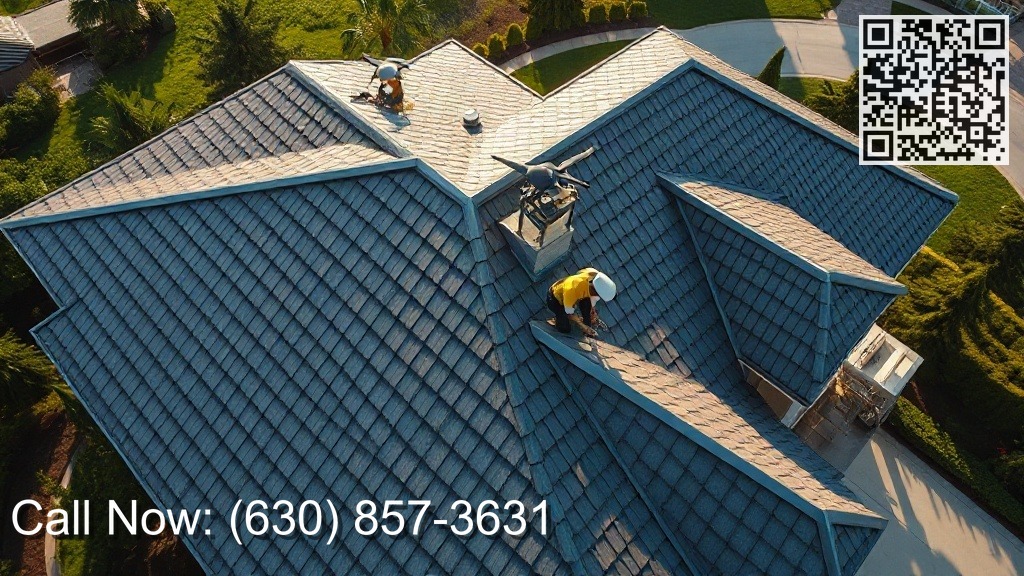
- Deck condition, including rot, delamination, loosened panels, and uneven areas
- Drainage paths at valleys, eaves, crickets, and roof-to-wall shifts
- Ventilation balance between intake and exhaust
- Condition and compatibility of flashing, penetrations, and side steel
- Manufacturer requirements for incline, fastening, layout, and accessory components
That list sounds standard, but the worth remains in how it is analyzed. A less knowledgeable crew might check out those very same five locations and miss what matters. An experienced artificial roof firm can check out the proof left by the previous roofing and readjust the setup strategy before hidden weak points end up being call-backs.
Layout matters a lot more on artificial accounts than numerous expect
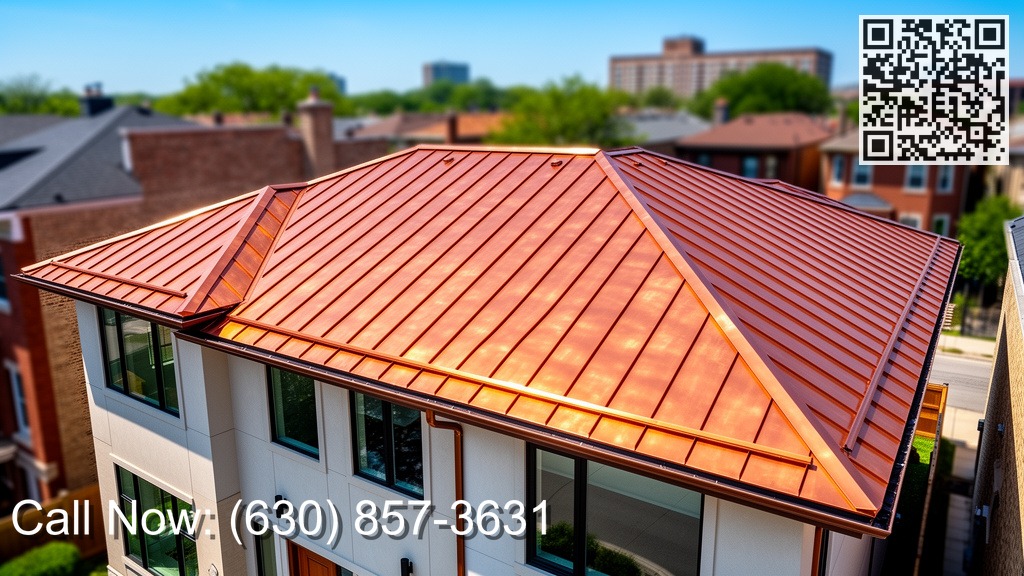
One of the selling factors of artificial roofing systems is look. House owners desire the depth of cedar shake, the dimension of slate, or the refined look of ceramic tile without some of the problems those all-natural products bring. To provide that outcome, installers have to take notice of layout from the very first training course onward.
That includes direct exposure spacing, offset patterns, blending of roof shingles widths where relevant, straightness at lengthy eaves, and positioning throughout valleys and dormers. Minor layout drift may be barely obvious on easy roof, but on building synthetic roof it can influence the entire personality of the completed home.
I have actually seen tasks where the material itself was outstanding, but the roofing system looked uncertain because the staff did not regulate gushing and visual equilibrium. On larger homes, that issue comes to be evident fast. Great artificial roofing system installers understand that costs synthetic roof covering is judged both up close and from fifty yards away.
Fastening patterns and maker information are not optional
Every synthetic product line has its very own guidelines on nails, direct exposure, overlap, accessory usage, and acceptable inclines. Installers who jump between roof covering kinds without valuing those specifics can produce failures that might not show up immediately.
Some products are extra rigid, some more flexible. Some require exact bolt positioning zones to stand up to wind uplift. Some rely on accessory beginners, hips, or ridges created for that system. Preparation for year-round direct exposure consists of reading the item requirements thoroughly and matching them to real site conditions.
This is an area where homeowners often presume all roofing contractors are compatible. They are not. A contractor that does outstanding asphalt job might still require dedicated experience to manage synthetic roof covering shingles well. When talking to a synthetic roofer, it is worth asking not simply whether they install artificial roofings, however which product family members they understand and how commonly they work with them.
The home itself requires protection during the process
Roof prep work additionally consists of safeguarding your house and residential property while the job is underway. Tear-off debris, exposed outdoor decking, abrupt weather changes, and product staging can all develop threat if the site is not handled well.
A cautious staff generally takes a couple of functional actions that property owners appreciate once the task is underway:
- Shields landscape design and hardscape near eaves and dispose areas
- Stages products to prevent overwhelming vulnerable locations or obstructing accessibility
- Uses weather tracking and dry-in sequencing to reduce exposure throughout tear-off
- Protects attic components when dirt and debris are likely
- Runs magnetic cleaning and last detail clean-up past the instant perimeter
Those routines do not straight transform the roofing's wind score or water resistance, but they tell you a lot regarding the quality of the procedure. Professionals who are disciplined concerning website protection are commonly disciplined regarding concealed roofing details too.
Local climate and design always form the final approach
A broad short article can describe concepts, yet real roofing prep work is always regional. A steep-roofed rock house in the residential areas has different demands than a low-slope section over a back enhancement in an older community. A custom-made home seeking synthetic roof Chicago solutions might require snow and ice planning that varies from a milder local market. A property owner purchasing artificial roof covering Naperville IL could be balancing aesthetic appeals for a high-visibility area with sensible problems like tree particles, seasonal storms, and a complex roofline.
This is why the best installers avoid canned referrals. They ask how your home has actually carried out through previous winter seasons. They look at attic conditions. They research where ice developed, where gutters overflowed, and where prior repairs happened. They also take notice of exposure, due to the fact that a south-facing slope baking in summertime and a shaded north slope holding wetness in spring age differently.
Synthetic roofing system replacement is usually a possibility to take care of old building habits
One of one of the most useful parts of a synthetic roofing replacement is the possibility to remedy details that might have been wrong for years. That can include eliminating way too many competing vents, reframing a chimney cricket, enhancing attic air movement, changing inappropriate blinking at wall surface junctions, or upgrading at risk valleys.
Homeowners do not constantly recognize just how much of their previous roofing system's history is composed into the wood and metal below the shingles. Dark discoloration, corrosion tracks, compressed insulation, and patchwork sealant all tell a story. The contractor's job is to read that tale and damage the failing pattern prior to mounting the new system.
Done right, that is what makes synthetic roofing systems so efficient in year-round conditions. The material itself adds durability, but the performance comes from the whole assembly being dealt with, split, and finished with intent.
Choosing the appropriate installer issues as long as selecting the material
There is no shortage of marketing around premium roof covering products. The more difficult component is finding a team that treats setup as craft rather than asset. The ideal synthetic roof business will talk clearly concerning prep work, not just color alternatives and suppress charm. It will clarify what happens if damaged decking is located, how underlayment is specified, what blinking details are being changed, and whether ventilation is being examined as part of the project.
That degree of transparency is particularly essential for house owners buying artificial roof for high-end homes, where the stakes are higher and rooflines are generally extra complicated. A large or architecturally ambitious home amplifies every decision, from roof shingles design to steel describing to water drainage preparation. It is insufficient for the roof to look finished. It needs to stay completed via storms, heat, snow, and the tiny stress and anxieties that duplicate period after season.
When artificial roofing installers prepare homes properly, they are not just setting up a new surface. They are developing resilience into the top of your home. They are making sure the roofing system can shed water in April, resist sun in July, stand up to wind in November, and take care of ice in January. That kind of preparation is seldom flashy, however it is specifically what makes an artificial roofing worth the investment.
When Quality Matters
Salvo Architectural Roofing Contractors
566 West 5th Ave Naperville, IL 60563
(630) 857-3631
 Ask ChatGPT
 Ask Grok
 Ask Perplexity
 Ask Claude
 Ask Google AI
 Ask You